

Manufacturing

Collection and Cleaning
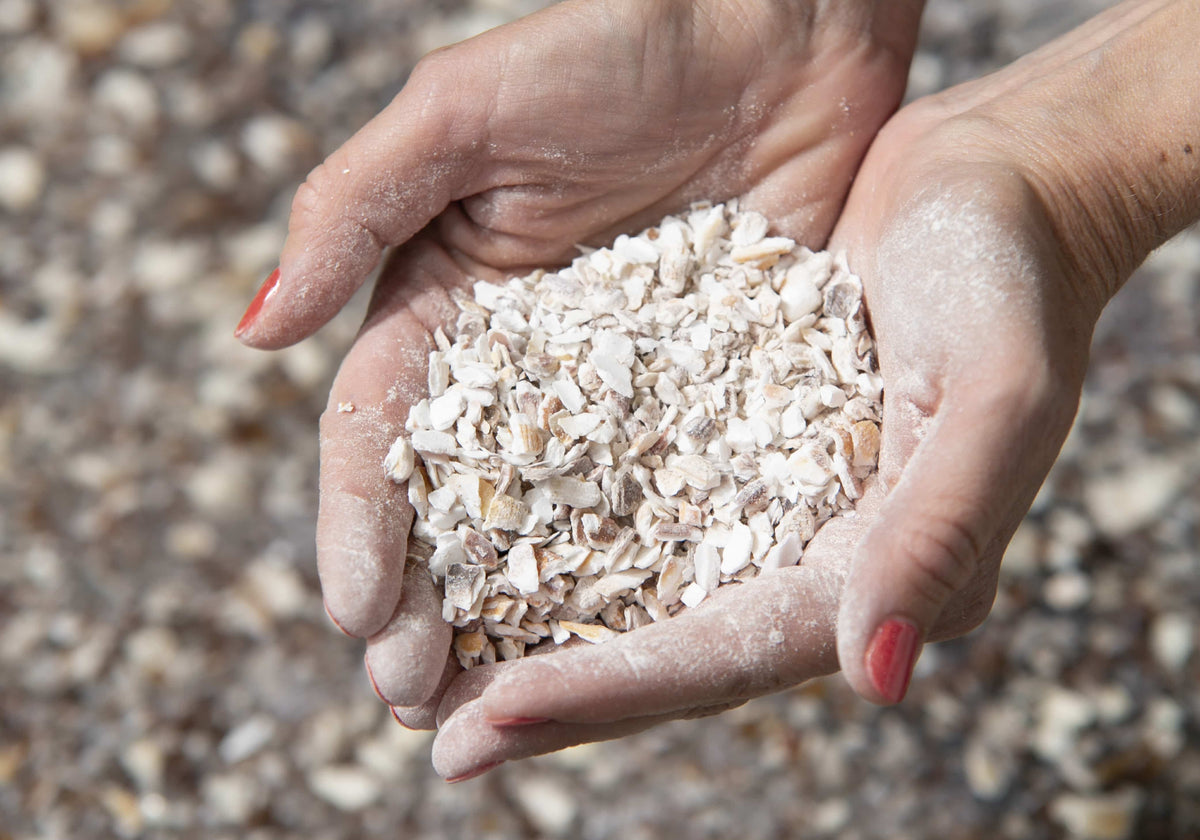
It all starts with the raw material. We collect shells and carapaces from the sea, then carefully sort and clean them.
Processing into powder
The material undergoes a transformation. The shells and carapaces are ground into a fine powder, which retains their mineral properties and serves as the basis for new formulations.
This material then becomes a new ingredient, ready to be incorporated into the Searenn® formulation.
Collection and Sorting of Acetate Scraps
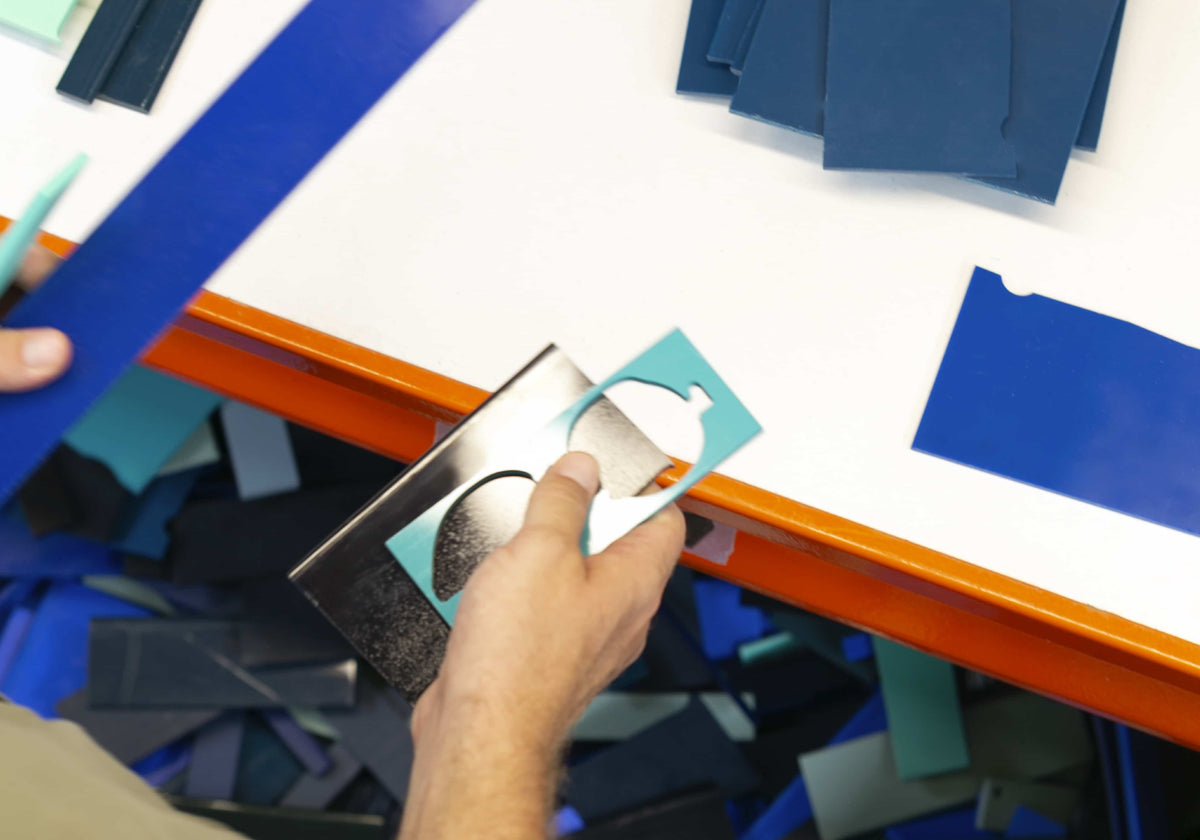
At the same time, we collect scrap from eyewear production and carefully sort it by color. When reintroduced into our formulations, these materials allow us to create new finishes. Some are also transformed into solid sheets to manufacture 100% recycled frames and temples.
Material Production & Rendering
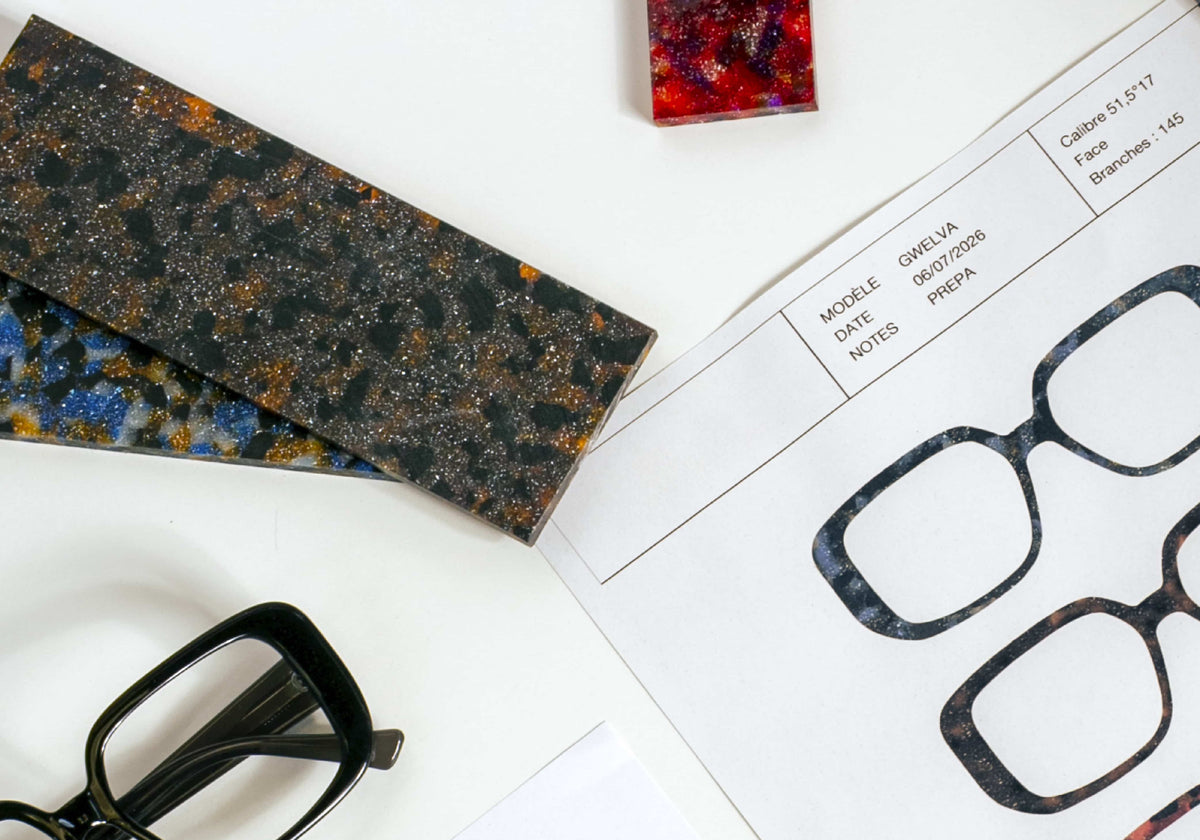
The material takes shape. Shell powder, carapaces, and recycled acetate are combined with our bio-based base to create new colors, textures, and shades.
Each frame is designed and developed in our facilities before being crafted and machined in France, in keeping with French eyewear craftsmanship.
Frame Manufacturing
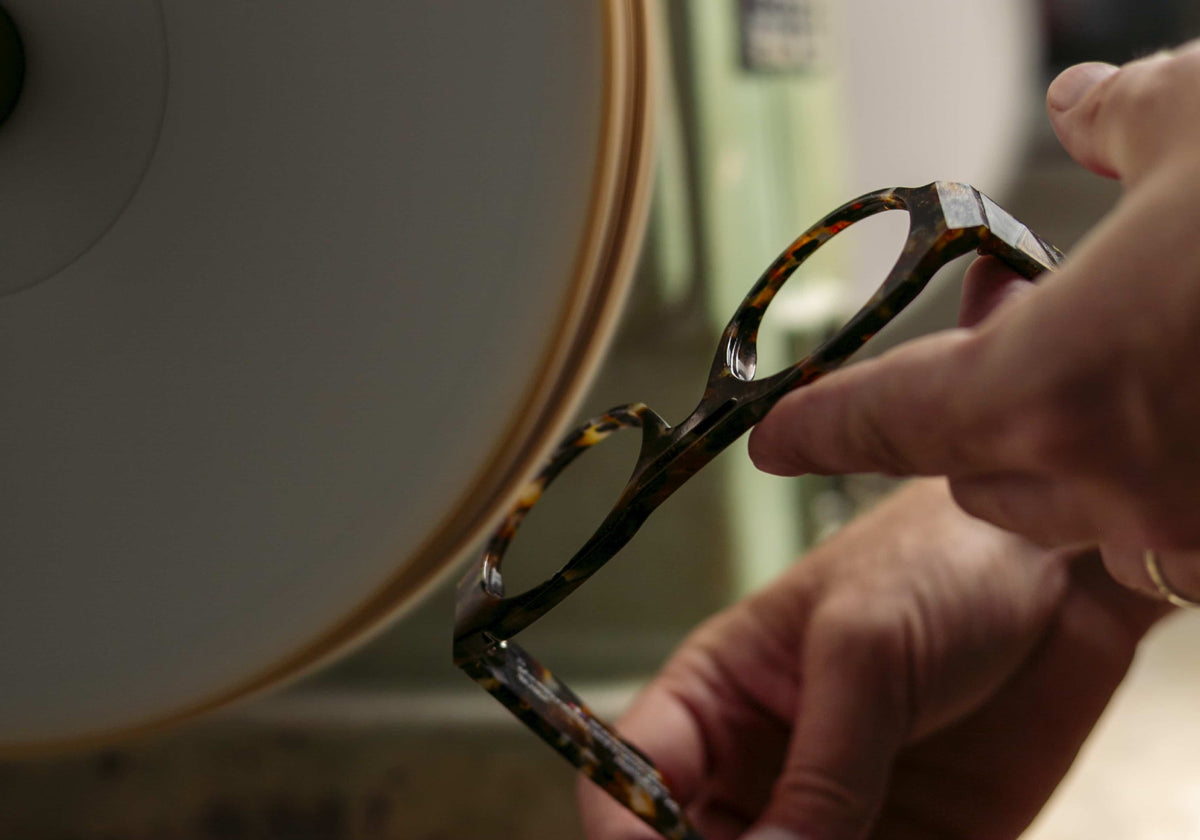
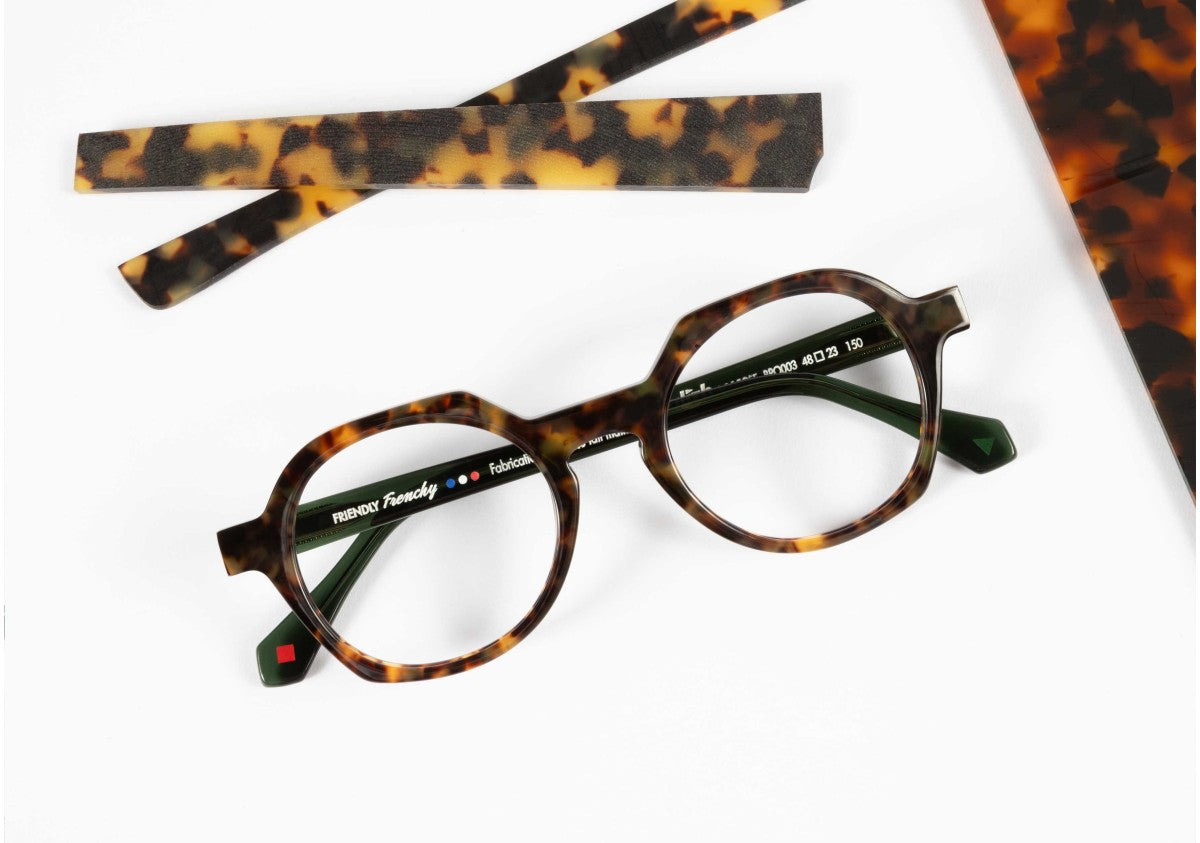
The material becomes a frame. Searenn® sheets are transformed into frames through nearly 30 steps. This meticulous process brings out the material’s subtle nuances and is a testament to French craftsmanship in “handmade” eyewear.
"Every material has its own character, unique qualities, and limitations. Our job is to bring out what makes it unique, while adhering to the techniques and requirements of eyewear craftsmanship. My role is to prepare this material with precision so that it can be worked by the eyewear artisans we collaborate with."
Raphaël, Workshop Manager
Learn more
We do not collect shellfish from the beach!
We source our shellfish directly from fishing professionals (oyster farmers, mussel farmers, etc.), food industry professionals , and restaurant owners.
Each material has its own characteristics, appearance, and personality. Our job is to bring out this uniqueness while meeting the technical requirements of the eyewear industry.
It is this fusion of innovative materials, design, and French craftsmanship that defines Glaz’s identity.
Glaz’s history also has its roots in a family story. Sandrine’s family worked for many years at a mother-of-pearl button factory in Méru, in the Oise department, which is now the Museum of Mother-of-Pearl and Button Making.
This history has naturally inspired us to carry on, in our time, this connection between materials, craftsmanship, and creativity, by integrating it into a circular economy approach.
After they are eaten, shellfish become a resource that is still largely underutilized. We have chosen to give them a second life by transforming them into materials for new uses.
Discover our collections


